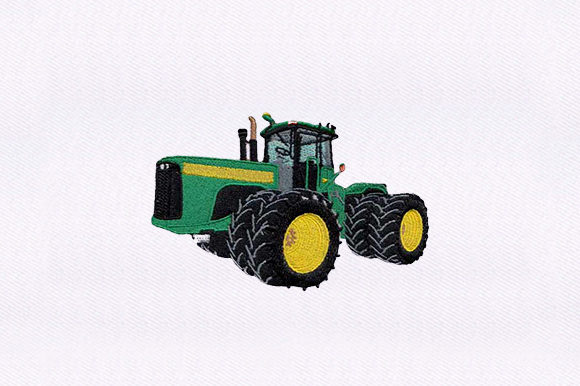
Agriculture Tractor Embroidery Design Review
First Impressions: Rustic Charm, Not Just a Silhouette
Opening the Agriculture Tractor embroidery file, I didn’t see a generic clipart-style vehicle—I saw intention. The design balances bold outlines with thoughtful detail: subtle tire treads, a defined cab window, and clean contours that suggest motion without clutter. It’s not overly technical or cartoonish—it lands squarely in that sweet spot for handmade product appeal: friendly enough for a baby onesie, sturdy enough for a farmer’s market tote bag. As a designer who regularly selects machine embroidery designs for client work and my own craft business, this kind of visual personality matters. It signals craftsmanship before the needle even moves.
Real-World Use Case: A Custom Farm-Themed Tote Bag Line
Last month, I prepped a small batch of canvas tote bags for a local CSA co-op—think organic produce, seasonal labels, and earthy branding. I tested Agriculture Tractor on three fabric types: medium-weight natural canvas, brushed cotton twill, and a lightweight linen blend. On the canvas, it stitched cleanly with minimal puckering when paired with medium-weight cutaway stabilizer. On the linen, I added a light tear-away to support the satin stitch areas around the cab edges—and it held up beautifully. Customers responded immediately: “That looks like my grandpa’s old John Deere,” one said. That kind of emotional resonance? That’s what turns a simple embroidered patch into a story-driven finished product.
Where It Shines (and Where to Pause)
- Custom apparel: Works exceptionally well on sweatshirt embroidery—especially crewnecks and hoodies where the tractor’s horizontal orientation fills space naturally without overwhelming the garment.
- Personalized gifts: Paired with a child’s name in a simple block font, Agriculture Tractor becomes an instant heirloom baby embroidery piece—ideal for nursery decor or a first-birthday onesie.
- Small shop product: As a standalone embroidered patch, it adds authenticity to aprons, denim jackets, or tea towels sold at craft fairs or Etsy shops focused on rural lifestyle branding.
- Holiday & wedding gifts: Surprisingly versatile—stitched in muted olive and cream thread on burlap, it fits farmhouse weddings; in red and gold on flannel, it reads cozy and seasonal.
Careful Considerations Before You Stitch
This isn’t a “set-and-forget” embroidery file—and that’s a good thing. Its detail means it rewards attention. Here’s what I watched for:
- Hoop size & stitch density: While not specified in the description, the layout suggests a mid-range hoop (4x4" minimum). Dense fill stitch areas—like the tractor body—can shift on stretchy fabric unless stabilized properly. Always test the design on scrap fabric first, especially if using it for custom apparel like t-shirts.
- Fabric texture matters: On nubby fabrics like heavy duck cloth or textured jacquard, some fine line details may soften. If crispness is critical (e.g., for a boutique-branded pillow cover), opt for smoother cotton sateen or quilting cotton.
- Dark vs. light backgrounds: The design relies on shape and contour more than intricate shading—so it translates well across fabric colors. But thread color contrast is key. I recommend testing black thread on navy fabric and ecru on charcoal—it avoids muddiness while keeping warmth.
- Curved surfaces: Avoid placing Agriculture Tractor near the crown seam of a cap or the gusset of a tote—its horizontal emphasis doesn’t adapt well to tight curves. Stick to flat panels for best clarity.
Design Integrity Meets Commercial Practicality
As an Etsy seller and embroidery educator, I evaluate every digital embroidery file through two lenses: aesthetic cohesion and commercial viability. Agriculture Tractor passes both. Visually, it supports brand consistency—whether you’re building a line of farm-themed kitchen towels or launching a digital product bundle for fellow crafters. Professionally, it elevates perceived value: customers recognize hand-selected design assets versus generic clipart. That trust transfers directly to your handmade product listings, printable mockups, and even social media previews.
It also encourages thoughtful pairing. I’ve used it alongside simple wheat stalk motifs and minimalist barn silhouettes—not as part of a pre-made applique design, but as a cohesive set of design assets that share rhythm and scale. That kind of flexibility makes it valuable beyond single-use projects.
Designer Notes You’ll Actually Use
- Always run a test stitch on fabric + stabilizer combo you plan to use—especially for baby embroidery or items requiring frequent washing.
- Review small details in your embroidery software: check whether tiny elements (like headlights or grille lines) are fully digitized—not just implied.
- Compare how the design renders in black-and-white mockups—this reveals balance and legibility before committing thread.
- If offering finished products commercially, confirm licensing terms. This Agriculture Tractor embroidery file appears intended for both personal and commercial embroidery, but verify before selling physical goods or bundling as part of a digital embroidery collection.
- For holiday embroidery or personalized gift deadlines, build in buffer time—denser stitch areas take longer to sew out, and re-hooping for multi-position placement (e.g., front + back of a sweatshirt) adds setup time.
Final Thought: A Workhorse Design, Not a Gimmick
Agriculture Tractor doesn’t shout. It grounds. It’s the kind of Transportation-themed embroidery that earns repeat use—not because it’s flashy, but because it’s reliable, recognizable, and quietly expressive. Whether you’re stitching a single custom tote bag or scaling production for a small shop product line, it delivers consistent results without demanding excessive tweaks. In a landscape full of over-digitized novelty designs, that kind of honest utility is rare. And for designers, crafters, and creative entrepreneurs building real businesses? That’s the most valuable stitch of all.