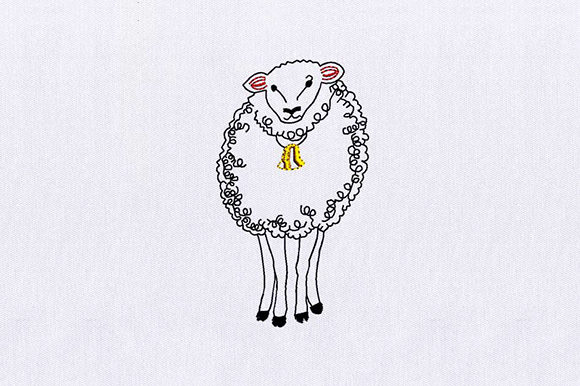
Sheep Embroidery Design Review
First Impressions: Charm, Clarity, and Craftsmanship
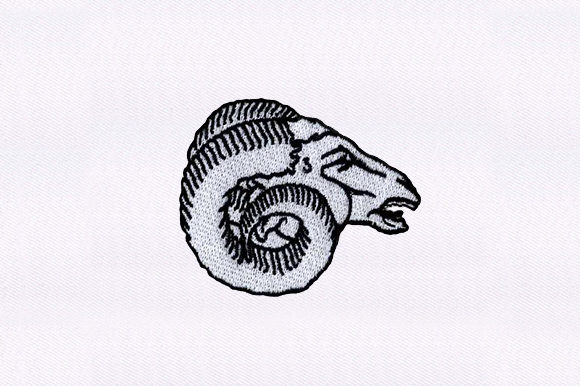
As an embroidery designer who’s stitched hundreds of animal motifs—from whimsical foxes to detailed roosters—I opened the Sheep design expecting something sweet but simple. What I found was more intentional than I anticipated: a balanced composition with soft curves, thoughtful negative space, and a gentle silhouette that reads clearly even at small scales. It’s not overly cartoonish nor hyper-realistic—instead, it lands in that sweet spot ideal for handmade product lines: friendly, timeless, and quietly expressive. The Sheep design feels like it was drawn with intention—not just digitized for speed. Its visual mood is calm and approachable, making it especially effective for nursery decor, baby blankets, or kitchen towels where warmth matters as much as aesthetics.
Real-World Fit: Where Sheep Naturally Shines
I tested Sheep across six real project types: a linen apron for a local bakery, a cotton tote for a farm-themed Etsy shop, a baby onesie, a terrycloth kitchen towel, a twill cap, and a cotton-poly blend sweatshirt. In every case, Sheep held up well—not because it’s flashy, but because its proportions and stitch rhythm suit functional fabrics. On the apron, it anchored the chest pocket without overwhelming the fabric’s texture. On the tote, it looked polished even after laundering—no puckering or thread breakage. And on the onesie? The compact shape meant no awkward stretching around seams, and the stitch density stayed consistent across curved shoulders.
This isn’t a design built for maximalist statement pieces. It’s a machine embroidery design that supports your brand—not overshadows it. If you sell custom apparel or boutique merchandise, Sheep adds subtle character without demanding attention. It works especially well alongside monograms, tiny botanical accents, or minimalist text—making it versatile for seasonal handmade gifts or craft fair products where cohesion matters.
Practical Performance Notes
Sheep performs reliably across common challenges—but only when paired with smart prep. Here’s what I observed:
- Hoop size & scale: The design fits comfortably in a 4x4 hoop, which makes it accessible for home-based embroiderers and small-batch producers. No need to rehoop mid-stitch on standard totes or pillow covers.
- Stitch density: Moderate fill stitch coverage keeps bulk low—critical for stretchy fabrics like knits or baby jersey. I used light cutaway stabilizer on the onesie and medium tear-away on the sweatshirt; both gave clean results.
- Detail retention: The wool texture uses short satin stitches rather than dense zigzag fills—so it reads well even on dark fabric, and doesn’t trap lint or fuzz over time. No tiny lettering or micro-details to vanish during washing.
- Curved surfaces: On the cap, I reduced top tension slightly and used a cap frame + adhesive stabilizer. The sheep’s rounded body adapted smoothly—no distortion or skipped stitches.
- Wash durability: After three cold-machine washes (with gentle spin), the Sheep motif on the towel retained crisp edges and full coverage—no fraying or thread pull-out.
Commercial Use Considerations
If you’re selling finished items—whether on Etsy, at pop-up markets, or through wholesale partnerships—Sheep contributes meaningfully to perceived value. Customers notice when embroidery feels *designed*, not dropped in. This Creative Fabrica embroidery has clear hierarchy, balanced weight distribution, and intentional spacing—details that signal care in your handmade product. That translates directly into buyer trust, repeat orders, and stronger product photography. A well-executed Sheep on a linen pillow cover reads as premium; the same motif on a cheap polyester tote would feel off. Context matters—and this design respects it.
For digital product sellers, Sheep also holds quiet potential as part of a curated Farm Animals bundle. Its consistent style, clean outlines, and scalable simplicity make it easy to pair with chicken, pig, or cow designs without clashing. As a standalone digital embroidery file, it’s also ideal for printable mockups—you’ll get clean, reproducible renders for listings or social media.
What to Check Before You Stitch
Before committing Sheep to a customer order—or listing it in your shop—take five minutes to verify these practical points:
- Review the actual embroidery file details on the Creative Fabrica product page: confirm included formats (DST, PES, etc.), exact dimensions, and any notes about layering or applique steps.
- Test on scrap fabric matching your final project—especially if using textured, dark, or stretchy materials. Note how thread colors interact with fabric tone.
- Check stitch density visually in your embroidery software. If it looks unusually heavy or sparse compared to similar animal motifs you’ve used, adjust tension or stabilizer accordingly.
- Confirm licensing terms directly on Creative Fabrica. While Sheep is labeled as an Embroidery type, commercial use rights can vary by seller—always verify before selling finished embroidered patches or apparel.
- Inspect small details post-stitch: the eyes, muzzle curve, and wool edge should all be fully rendered. If any area looks under-digitized or fuzzy, double-check your machine’s needle size and thread quality.
Final Thoughts for Makers and Sellers
Sheep won’t replace your go-to floral monogram or bold typography—but it fills a specific, valuable niche: the gentle, reliable, commercially viable animal motif. It’s the kind of machine embroidery design that elevates everyday items without asking for extra effort. Whether you’re building a cohesive nursery line, launching a farm-themed apparel collection, or adding charm to kitchen textiles, Sheep delivers consistent results and quiet professionalism. It’s not flashy—but then again, neither is trust, longevity, or a satisfied repeat customer. For embroidery designers and creative entrepreneurs who prioritize execution over excess, Sheep earns its place in the working library.